the guide to a new life
post on the baby journey. sections listed below
faq
did you feel perpetually lost and unsure?
yes
does the hospital send you home with a little care package?
yes, ours did
is pregnancy/birth like the movies?
no
sunnah
there may be some difference of opinions on certain things. in order of what needs to be done
athan
after birth (doesn't have to be the second the baby comes out), face the qiblah and recite the athan in the right ear and the iqamah in the left year. does not need to be very loud. can use the athan for fajr.
tahnik
from what i have heard, it is recommended to ask someone who is older and preferably has spent time studying or with the quran. you can ask them to chew a bit of a date, preferably after drinking some zam zam, and you can bring that back for the child. this does not have to be done immediately, some people did it a week later. but if you can do it sooner, then why not.
aqiqah
this should be done before maghrib/sunset on the 7th day after. so if the baby is born on a wednesday, this should be done before maghrib on tuesday. this entails shaving the head (if an electric trimmer is easier, then just use that. also note, there may be difference of opinion on weighing the hair), donating some money, and then sacrificing a goat (2 for a boy, 1 for a girl), and then distributing the meat amongst family, friends, and those who need it.
naming the child
this would technically be a right of the child, so not exactly a sunnah, but worth mentioning a couple small points. give the child a good name, with a good meaning, or named after a prophet or companion with the intention that Allah may grant some of the qualities of that person to the baby. also, if you live somewhere where the child will interact with people who may find a muslim/arabic name difficult, then consider giving a name that will be easier so that it isn't drastically mispronounced.
buying guide
essentials
this is what you need to leave the hospital +/- a couple of days. usually you will have a follow-up appointment after a couple of days anyways
probably will need later
stuff that you won't need immediately, but will come in handy from as early as a couple weeks to a couple months later
nice to haves
stuff that you don't really need, but could potentially be very useful depending on how your setup is (mainly how often you use bottles)
things people mention a lot, your mileage may vary
this is stuff that people really enjoyed using, but we ended up not using. worth mentioning at the very least
essentials
as mentioned, this is the stuff that i believe you should have ideally before birth. don't need to have it at the hospital, but should have it at home at least
burp cloths
soft cloths used for wiping spit up or anything else baby related. much more common for younger babies especially in post meal burps. technically other soft cloths can be used, but i would still categorize in essential because of how useful it is to have these soft cloths available on hand. 20+ is a good amount in my opinion.
baby formula
even if someone is planning on nursing the baby only, i would recommend having at least one can/tin at home, just in case you need it. the other point to mention is the brand kendamil, especially the goat one.
bassinet
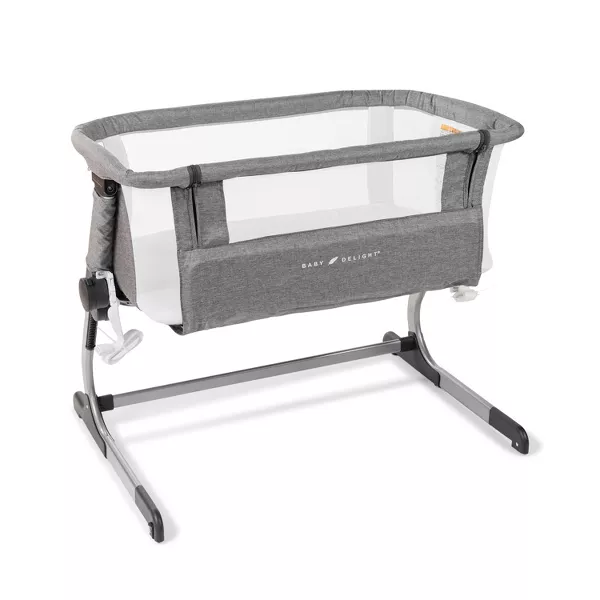
recommended place for baby to sleep during the day and night. good to have a set place also from the perspective of building the habit for the baby to get used to sleeping on their own. a bed side bassinet where one wall of the bassinet can be lowered is a good idea, gives you the option to bring it to the side of the bed. some bassinets are smaller and only used for 0-3 months, but that may be easier to move if you have stairs or other factors to consider
car seat (stroller?)
you need a car seat to leave the hospital and safely transport the baby home. technically you can carry the car seat all the way to the car, but it's probably easier and better to have the stroller from now. more info on stroller in the 'probably need' section.
diapers/wipes
technically the hospital will give you some diapers and wipes to take home, but most likely you will go through them pretty quick, and will need them fairly soon.
diaper changing pad
these are just polyester type pads in case of happy little accidents, gives extra peace of mind. also very portable and can be used both in public stations and probably with your own diaper changing stand/station
bottles anti colic
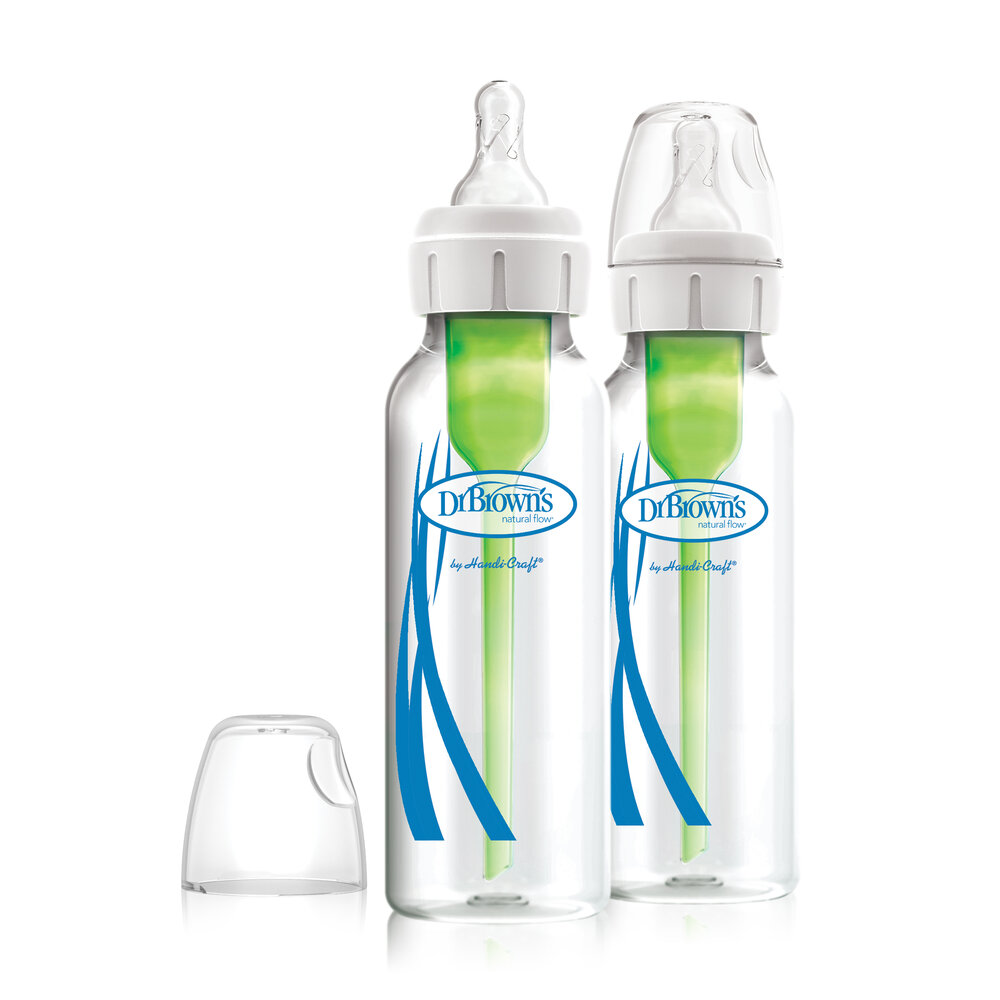
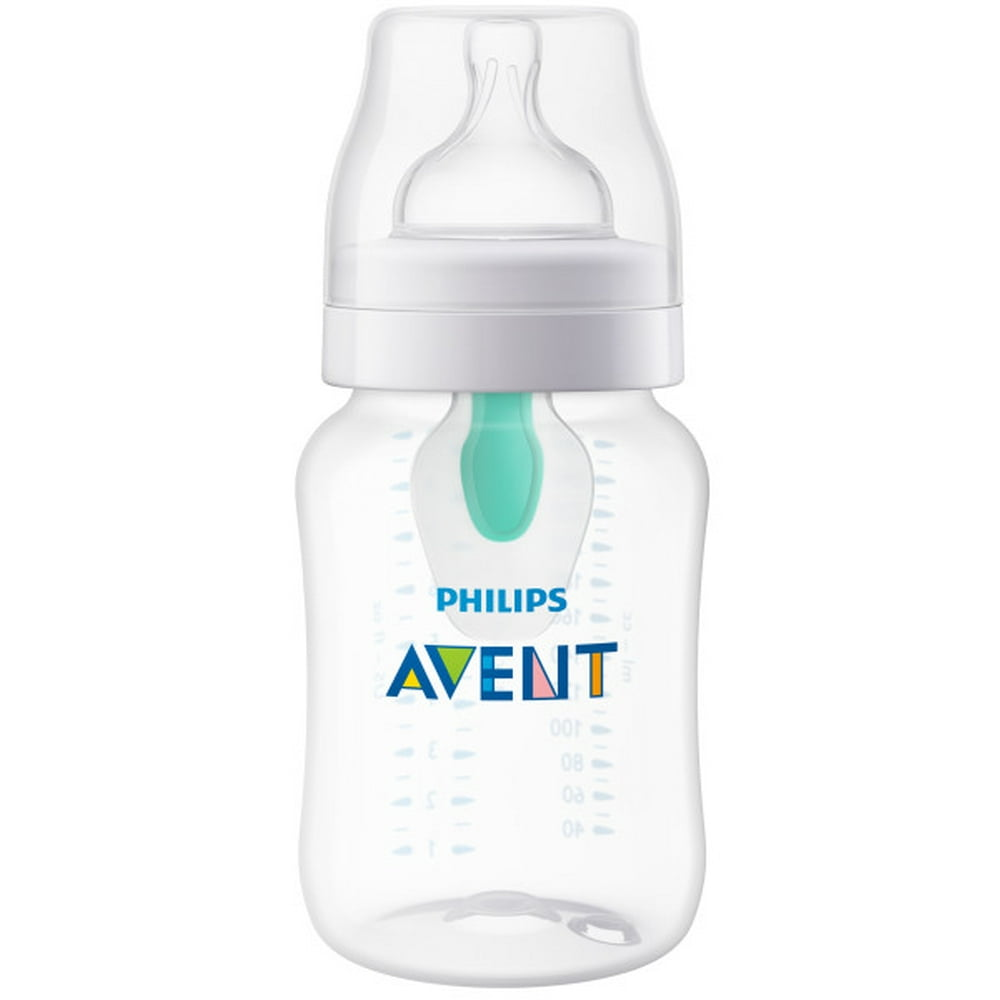
bottles can be used for formula or pumped milk. even if you don't plan on using bottles, it's probably better to at least have 1-2 on hand. different bottles/brands will have different ways of implementing anti colic, so keep an eye out for that
bottle cleaner
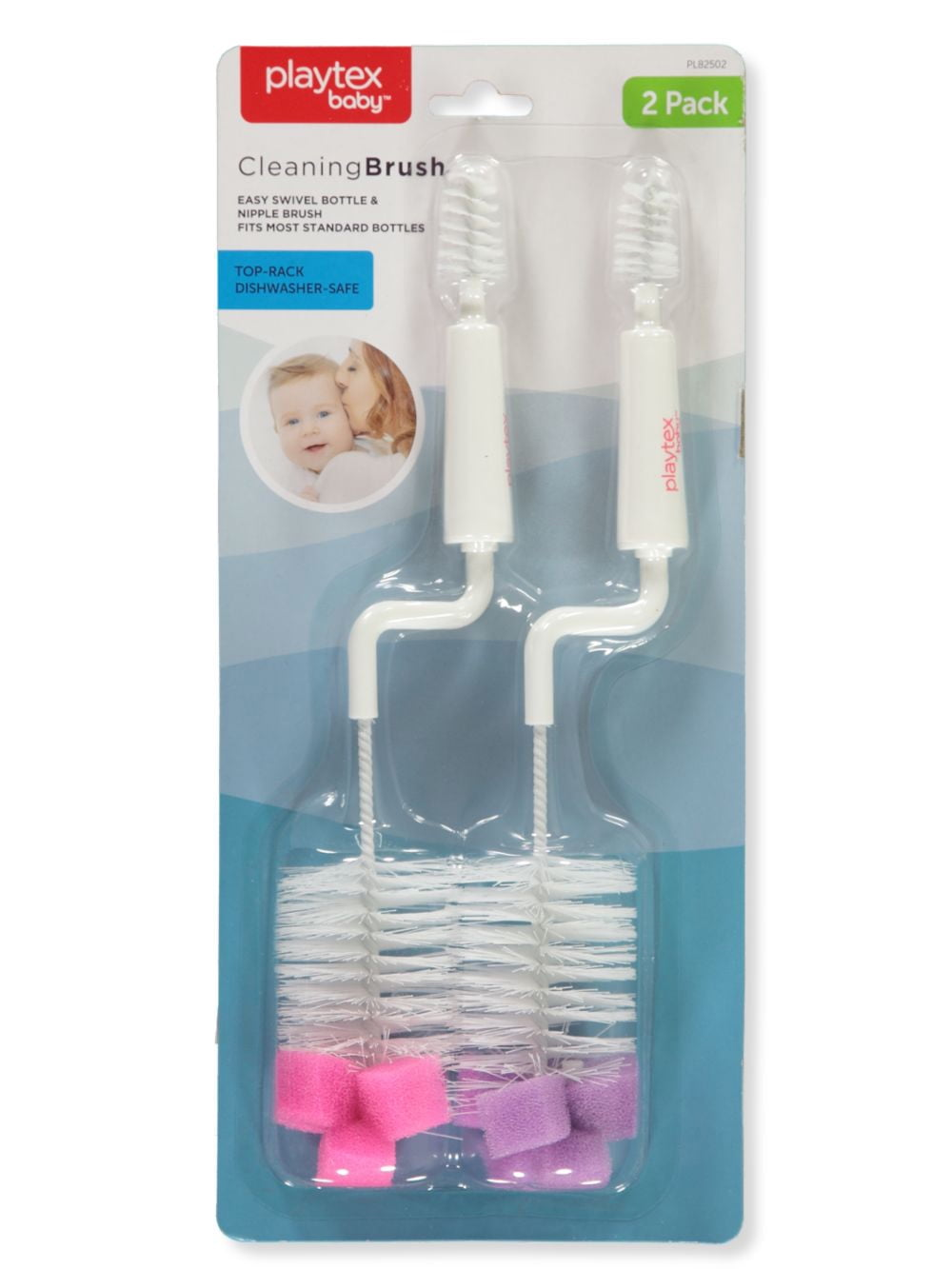
just the wand thing to clean bottles well. technically technically not needed, but with how useful it is, if you plan to use bottles ever, i think its worth purchasing. the rotating ones are nice
swaddles
swaddling (at this early stage) is safer for the baby, and will probably help them sleep as it reminds them of the womb.
a set of baby clothes
probably a zipper onesie, doesn't need to have the 2 way zipper, but makes dressing the baby easy, and makes diaper changes easier as well. the baby is born without clothes, and the hospital will probably only let you borrow swaddles/sleep sacks, so when you are leaving, you'll need to put clothes on the baby
baby detergent
baby detergent is softer and not as harsh. could be a person preference, but if this is something you'd use rather than regular detergent, i would definitely mark it as essential since babies can go through clothes and burp clothes quite fast.
bulb
hospital will likely give you one, but useful to clean the nose/mouth of baby if needed, especially if there is some liquid or milk buildup.
wipe cloths for baths
early early on will just do sponge/wiping bath, esp for circumcised boys, circumcision should heal in about 2 weeks
a couple things for boys specifically
vaseline
used to keep the wound from sticking
gauze pads or a roll of gauze
cover the wound and then diaper on top
probably will need later
in order ish of what you will need from earlier to later on
nursing pillow
helps a lot when the baby is small, regardless of experience can be very handy in the early stages
stroller
makes moving the baby around way easier. honestly, a newborn probably shouldn't be just carried around everywhere. so stroller gets a double mention
nail cutter/filer/gloves
babies can sometimes scratch themselves. early on, you can use a filer, and as they get older, you can use a baby nail cutter. gloves can also be used to keep their hands covered
nose cleaner
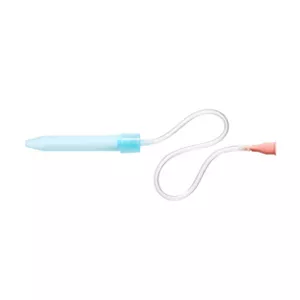
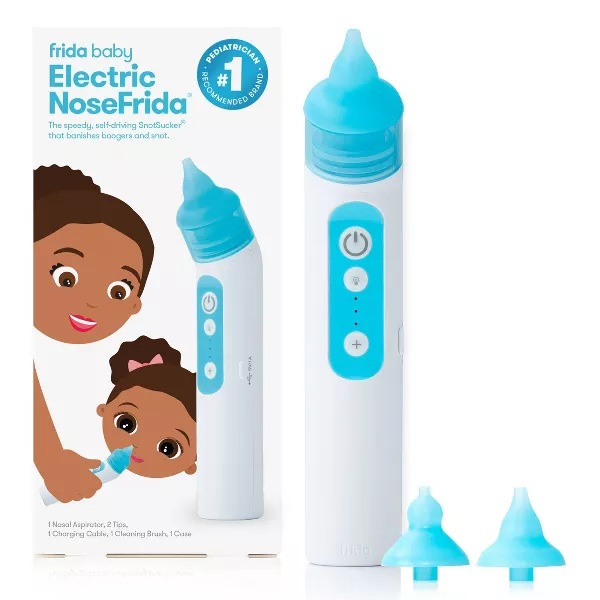
there's a couple of these. you can get these electric mini vacuums basically. you can also use the bulb in the earlier section. there's also the frida hose type that is kinda like a manual vacuum. can be a good option since electric devices make extra noise.
hair scrubber
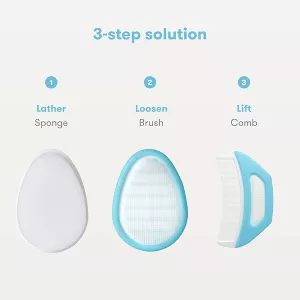
used to scrub the babies head during shower. they're super soft and silicone based. helps clear up cradle cap.
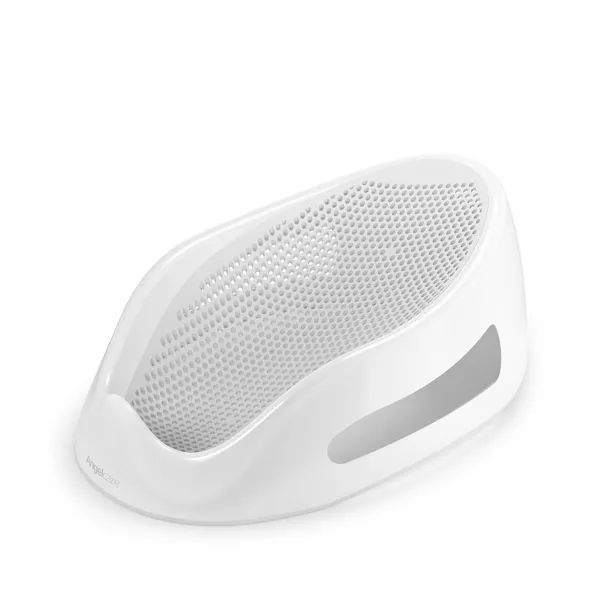
baby bathtub
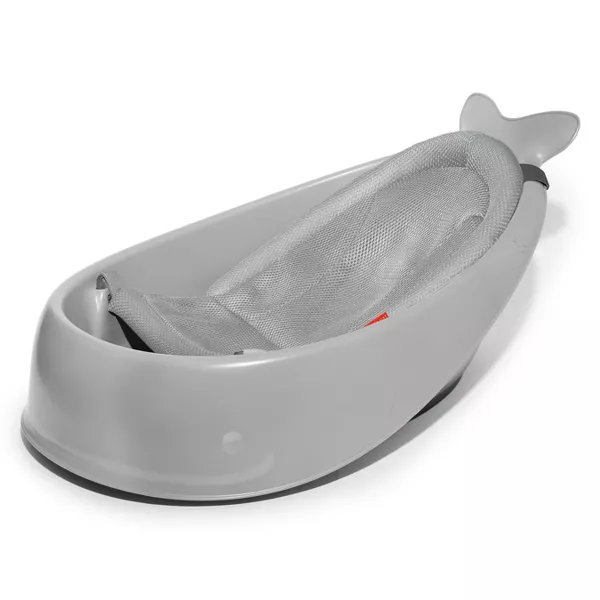
there's many different types. for a newborn, there's specifically tubs that come with a sling/hammock attachment (which is removed when the baby gets older). you can also find baby tubs that sit flat on the floor of a tub (also for when the baby gets older). there will be a bathtub stand mentioned in the 'other people ymmv' section
toys/books
you can slowly start introducing toys/books maybe from 1-2 months. every baby is different, but once you see them start following things with their eyes, you can think about getting some colorful popup books or toys
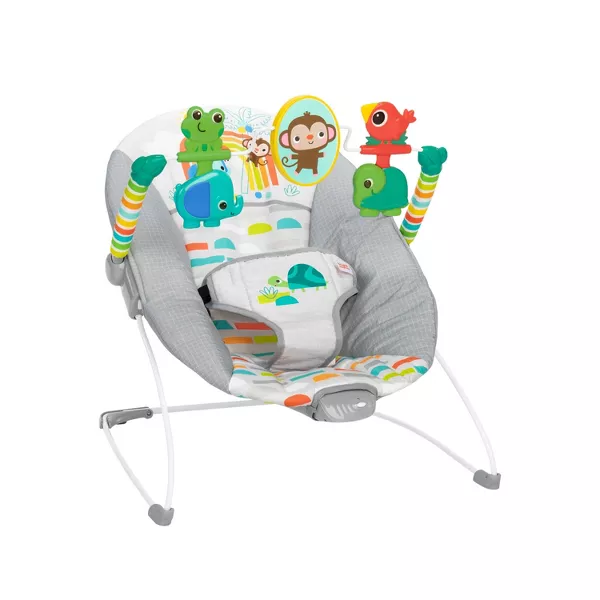
bouncer
this is kinda like a rocker seat for the baby. also around 1-2 months, but it will depend. this will give them a place to sit and see what's going on without being restricted to their bassinet
high chair
when the baby starts sitting up, this helps to give them a place to sit, but also easier for them to be fed/start eating solid foods
nice to haves
only a few things to mention here, but depending on bottle usage, can be potentially be very helpful
rocking chair
effective on babies and adults
2in1 warmer/sterilizer
this could be a good place to start without investing too much money or space
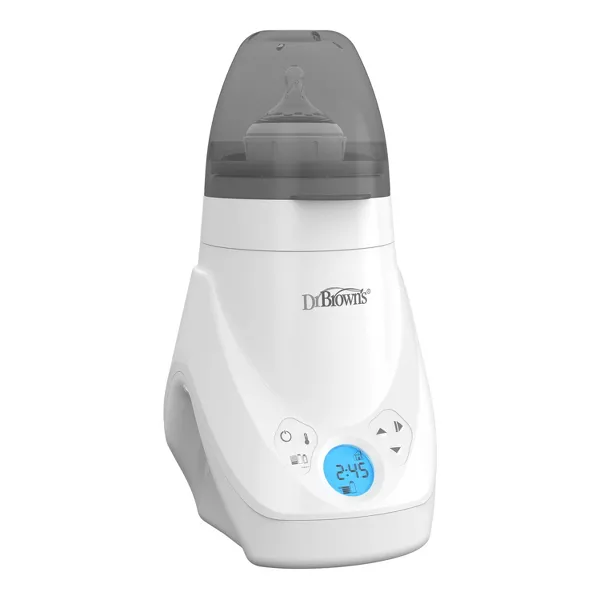
bottle warmer
super useful for warming things to a set temperature. whether its pumped milk or formula, it makes it very easy to turn it on and then have it be at a set temperature when its done. you'll probably only need 1 bottle to be warmed at a time so may not need a big warmer
bottle sterilizer
you'll want to sterilize the bottles you're using, but it depends on how frequently. there are single bottles to giant multi bottle sterilizers. can always sterilize the old fashion way as well if that works better.
maternity pajamas
handy when you're figuring things out early on. not necessary, especially as you get experience, but can help the first time around.
baby monitor
even if your place of living is larger, this just may not be something you'll use. but other people use it a lot. one thing to consider is there are non-wifi versions. do i have a bias? yes, i care about privacy and security. but another benefit is that if your wifi goes down, or you are traveling, these ones will work without a hiccup. just something to consider if you are in the market for one.
things people mention a lot, your mileage may vary
another worth mentioning section, but more situational and less priority than the other stuff mentioned
wipe warmer
to warm the wipes. usually this is more of a concern during the cold season, or when the baby is asleep/close to being asleep
diaper changing stand
the hospital had a bassinet/crib with drawers, wheels, and adjustable height. was very handy to have it all in one place, and the adjustable can save your back. not something we ended up buying, but was very nice to use
bathtub stand
similar to the diaper stand, but also the different bath situations, it'll just depend on what you have to work with. if you have access to a tub, you may not need this.
bottle/baby dishwasher
baby dishwasher for baby stuff. again, will depend on how often you are cleaning baby stuff, but worth mentioning that this exists
labor and mentally preparing
this section will probably vary a lot from person to person, as everyone has their own way of dealing with the different factors and variables. for me personally, the two big things were knowing if i had everything i needed, at least for the initial immediate short term, and having an idea of what to expect at the hospital. the first concern, is hopefully taken care of with this post. as for the second, i would recommend reading or watching videos on labor, and knowing what to expect at the hospital. each person and hospital are different, but here's a brief summary:
- there are 3 stages of labor. there can be phantom contractions, but the pain of a contraction is very distinct. the first stage is pretty manageable, mainly because the contractions aren't so often or long in duration. once you start getting into the second stage of labor, learning how to apply counter pressure can help relieve some of the pain.
- for the second stage, you'll essentially want to stay home until 5-1-1. 5 minutes apart, 1 min in duration, for 1 hour. the reason for this is because hospitals will typically want you to be late in the 2nd stage of labor before admitting you, since there's not really much to be done before that.
- the 3rd stage is right before you start pushing. different breathing techniques and a birthing comb may help
- the team explained the process of pushing once we got to that phase. if you want to know more about what that is like, i would recommend watching a video
- after the pushing phase, the baby will (insha'Allah) be born